
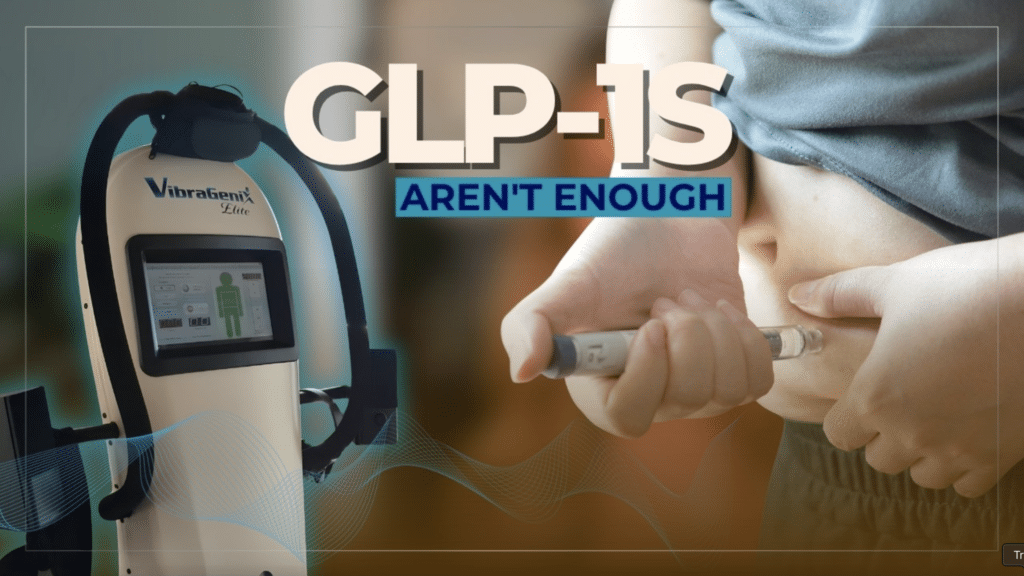
The Future of Weight Management Is About More Than Losing Pounds
The weight loss industry is changing rapidly.
From medical weight loss clinics to nurse practitioner-led programs, GLP-1 medications have become one of the most talked-about tools in weight management.
And while these medications can be effective for eligible patients, there’s an important question every weight loss center owner should be asking:
Are we helping clients simply lose weight, or are we helping them build a healthier, stronger body along the way?
According to Dr. Caroline Stites, founder of VibraGenix, that’s where many weight loss centers have an opportunity to do more.
“What do you need in your weight loss center? What are the solutions that are missing?” asks Dr. Caroline.
Her message is simple: Weight loss shouldn’t be just about a shot. It should be about supporting the whole person.
By integrating wellness technologies, movement, strength training, and nutritional support, weight loss centers can create a more comprehensive experience for their clients.
The Missing Piece in Many GLP-1 Weight Loss Programs
GLP-1 medications work in part by influencing appetite and helping people feel satisfied with less food. For appropriate patients, they can be valuable tools in a medically supervised weight management program.
However, reducing the number on the scale doesn’t automatically mean someone is improving every aspect of their health.
Weight loss programs also need to consider:
- Preserving muscle mass during weight loss
- Supporting physical strength and mobility
- Encouraging balanced nutrition and adequate protein intake
- Promoting sustainable lifestyle habits
- Helping clients maintain long-term progress
- Monitoring medication side effects and overall well-being
One important concern during significant weight loss is the potential loss of lean muscle mass.
That’s why resistance training, sufficient nutrition, and ongoing medical supervision remain important parts of a comprehensive weight management program.
The goal shouldn’t be weight loss at any cost. It should be healthier weight management that supports long-term quality of life.
1. Add Whole-Body Vibration Technology to Your Weight Loss Center
One way to expand your center’s services is by introducing whole-body vibration technology.
VibraGenix offers wellness equipment designed to incorporate vibration-based movement into a convenient, accessible experience.
Whole-body vibration creates controlled mechanical stimulation that can engage muscles while users maintain positions or perform appropriate exercises on the platform.
When incorporated into a supervised fitness program, vibration training may complement traditional strength and balance exercises.
Why Muscle Preservation Matters During Weight Loss
When someone loses a significant amount of weight, some of that loss may come from muscle rather than body fat.
Muscle plays an important role in physical strength, mobility, and metabolic health.
That’s why Dr. Caroline encourages weight loss centers to think beyond appetite management and incorporate technologies that complement strength-focused routines.
VibraGenix whole-body vibration equipment can provide another way to engage clients in movement as part of a broader exercise program.
For weight loss center owners, the opportunity is to offer more than a prescription. It’s to create an environment where clients can actively participate in their wellness journey.
Whole-body vibration should complement, not replace, evidence-based resistance training. Its effectiveness for muscle preservation and weight loss varies, and it has not been established as a way to prevent muscle loss specifically associated with GLP-1 treatment.
2. Incorporate Red Light Therapy Into Your Wellness Services
Red light therapy is another technology attracting attention throughout the wellness industry.
Also known as photobiomodulation, red and near-infrared light therapy uses specific wavelengths of light that researchers are studying for various biological and wellness applications.
For weight loss centers, adding red light therapy can expand the range of noninvasive services available to clients.
How Red Light Therapy Fits Into a Weight Management Center
Red light therapy can be incorporated into a wellness program focused on relaxation, recovery, and overall self-care.
For example, a center might offer a red light session alongside a client’s existing fitness, nutrition, or wellness routine.
The VibraGenix Ilumia Elite Red Light Therapy Bed provides a full-body light therapy experience that can help distinguish a modern wellness facility from a clinic offering only medical appointments.
It’s important to distinguish the experience from the evidence: red light therapy is not an established substitute for exercise, nutrition, or medical weight loss treatment, and it has not been proven to accelerate GLP-1-related weight loss or reduce medication side effects.
Its value to a wellness business may include offering a convenient, relaxing service that complements the center’s broader client experience.
3. Explore Sound Frequency Technology for Relaxation and Wellness
Weight management isn’t only about food and physical activity.
Stress, sleep, and daily habits can influence how people experience and maintain their wellness routines.
That’s why Dr. Caroline also encourages weight loss centers to explore sound frequency technologies.
The VibraGenix Resonance Pro offers an immersive sound-based wellness experience designed around relaxation and sensory engagement.
Why Include Relaxation Services?
For many clients, the weight management process can feel overwhelming.
Between lifestyle changes, appointments, exercise goals, and daily responsibilities, creating time to unwind may be valuable.
A dedicated relaxation experience can help make a weight loss center feel more supportive and welcoming.
Sound-based wellness sessions can also create opportunities for clients to establish consistent self-care routines.
While research into sound-based interventions and relaxation is ongoing, there is not sufficient evidence to claim that frequency therapy directly causes weight loss, prevents GLP-1 side effects, or restores cellular health.
Instead, think of it as an additional wellness experience within a comprehensive program.
4. Make Nutrition and Strength Training Central to Your Program
Technology can enhance a wellness center, but it should never replace the foundations of healthy weight management.
Dr. Caroline emphasizes that nutrition and other forms of body support are often missing from programs focused exclusively on GLP-1 prescriptions.
A comprehensive weight loss center should consider incorporating nutritional education, appropriate physical activity, and ongoing professional support.
For patients using GLP-1 medications, clinicians may also need to monitor nutritional intake, gastrointestinal symptoms, hydration, and changes in body composition.
Working with qualified dietitians, exercise professionals, and prescribing clinicians can help create a coordinated experience.
When technology, nutrition, movement, and medical oversight work together, clients have access to a more complete approach to weight management.
5. Differentiate Your Weight Loss Center With a Complete Wellness Experience
As medical weight loss services become more widely available, center owners face an important business question:
What makes your facility different from every other clinic offering GLP-1 injections?
For many businesses, the answer may be the overall client experience.
Rather than offering only medication appointments, a weight loss center could provide a combination of medically supervised treatment and complementary wellness services.
Imagine a client visiting your facility for a program that includes:
Medical Weight Management
Individualized clinical assessment, appropriate treatment options, and ongoing supervision from qualified healthcare professionals.
Movement and Strength Support
Access to exercise education and whole-body vibration technology as a complement to traditional physical activity.
Red Light Wellness Sessions
A comfortable, noninvasive light therapy experience that can be incorporated into a broader self-care routine.
Sound Frequency Relaxation
A dedicated space for clients to unwind and focus on their wellness experience.
Nutrition and Lifestyle Education
Practical guidance designed to support sustainable habits beyond the initial weight loss phase.
This approach allows centers to build a more comprehensive service offering while giving clients additional reasons to stay engaged with their wellness goals.
Why VibraGenix Is Helping Wellness Centers Think Differently
At VibraGenix, we believe the future of wellness involves bringing together multiple technologies and supportive practices rather than focusing on one isolated solution.
Dr. Caroline Stites is passionate about helping wellness professionals explore equipment and service combinations that align with their business goals.
From whole-body vibration technology to red light therapy and immersive sound-based wellness experiences, VibraGenix provides equipment options for businesses looking to expand beyond traditional offerings.
Whether you’re opening a new weight loss center, upgrading an existing clinic, or adding wellness services to your practice, choosing the right technology starts with understanding your clients and the experience you want to create.
The goal isn’t simply to add more equipment. It’s to build a wellness environment that encourages clients to invest in their long-term well-being.
Frequently Asked Questions About Weight Loss Center Equipment
What equipment should a modern weight loss center consider?
In addition to clinical equipment required for medical services, weight loss centers may consider strength-training equipment, body composition assessment tools, whole-body vibration platforms, red light therapy devices, and relaxation technologies. Equipment selection should reflect client needs, staff training, available evidence, and the services the center is qualified to provide.
Can whole-body vibration help clients taking GLP-1 medications?
Whole-body vibration may complement a supervised exercise program, but there is not enough evidence to establish that it prevents GLP-1-associated muscle loss. Resistance training, appropriate protein intake, and clinical monitoring remain important.
Does red light therapy speed up weight loss?
Red light therapy is being researched for a variety of applications, but it is not established as a method for accelerating weight loss in people taking GLP-1 medications. It should not replace proven weight management approaches.
Why should weight loss centers offer services beyond GLP-1 injections?
Additional services can help centers address movement, nutrition, relaxation, and long-term wellness habits. They may also help a business differentiate its client experience, provided services are appropriately represented and professionally supervised.
Can VibraGenix help equip a weight loss center?
Yes. VibraGenix offers wellness technology options, including whole-body vibration equipment, red light therapy systems, and sound-based relaxation equipment. Business owners can contact the VibraGenix team to discuss equipment options for their facility.
Ready to Take Your Weight Loss Center to the Next Level?
If your weight loss center currently focuses primarily on GLP-1 injections, now may be the time to explore what else you can offer your clients.
Imagine building a facility where medical weight management is complemented by movement, strength-focused routines, light therapy, and relaxation experiences.
Don’t just offer a shot. Build a more complete wellness experience.
Dr. Caroline Stites and the VibraGenix team can help you explore technology options that fit your center’s vision.
Schedule a consultation with Dr. Caroline:
Explore VibraGenix Wellness Technology:
VibraGenix — More Good Years. Not Just More Years.
Medical disclaimer: VibraGenix wellness equipment is not a substitute for medical care, prescribed medications, appropriate exercise, or nutritional guidance. The technologies discussed are not established treatments for obesity or GLP-1 medication side effects. GLP-1 treatment decisions and side-effect management should remain under the supervision of qualified healthcare professionals.